A simple guide to reading your car's fluids
September 5, 2025 · 6 min read
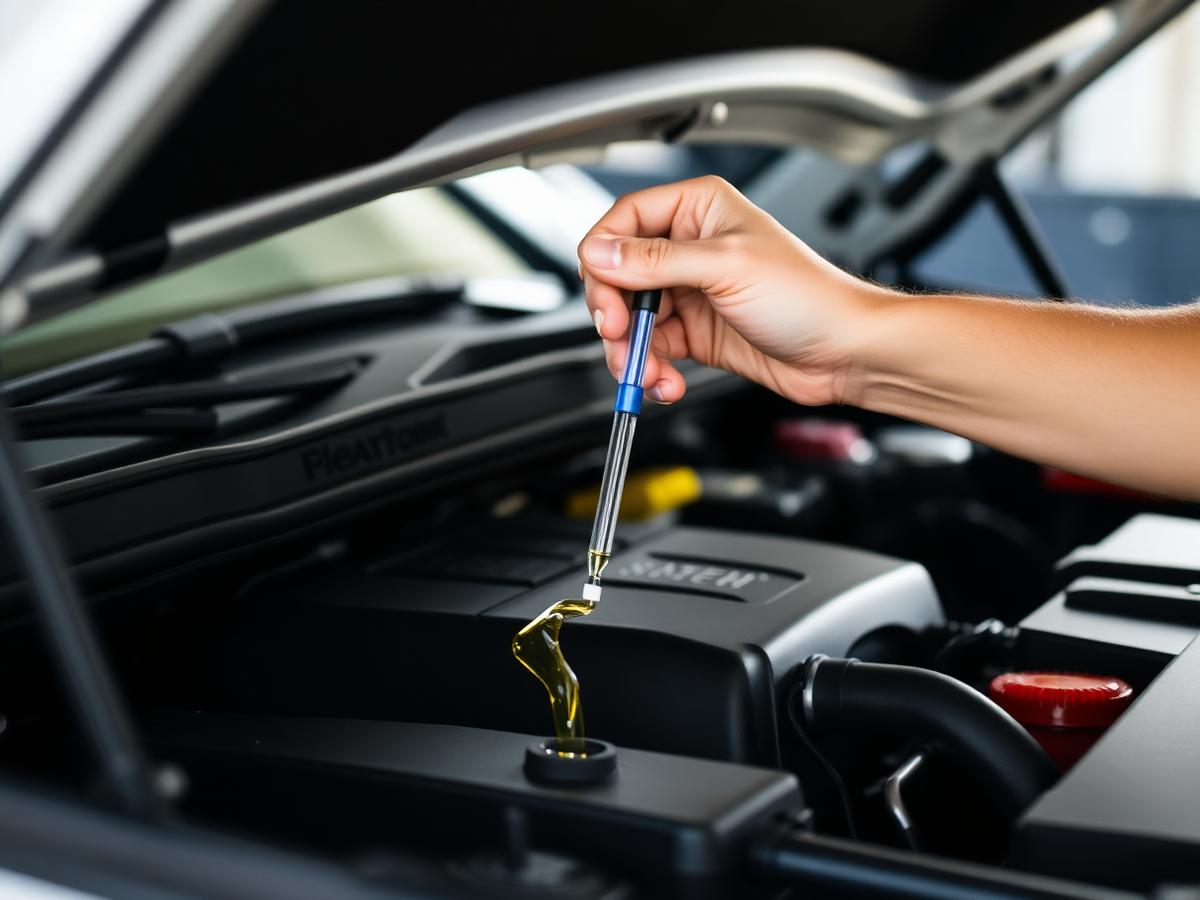
Most expensive repairs start as small, cheap problems that went unnoticed. Learning to glance at your fluids turns you into an early-warning system for your own vehicle.
Engine oil is the place to start. Pull the dipstick, wipe it, and check both the level and the color. Healthy oil is amber to light brown, while very dark, gritty oil suggests it is overdue for a change.
Coolant should sit between the marks on the reservoir when the engine is cold, and brake fluid should be near the full line in its own reservoir. A noticeable drop in either is a reason to have things checked.
None of this replaces professional service, but a monthly two-minute look under the hood catches leaks and low levels long before they leave you stranded.